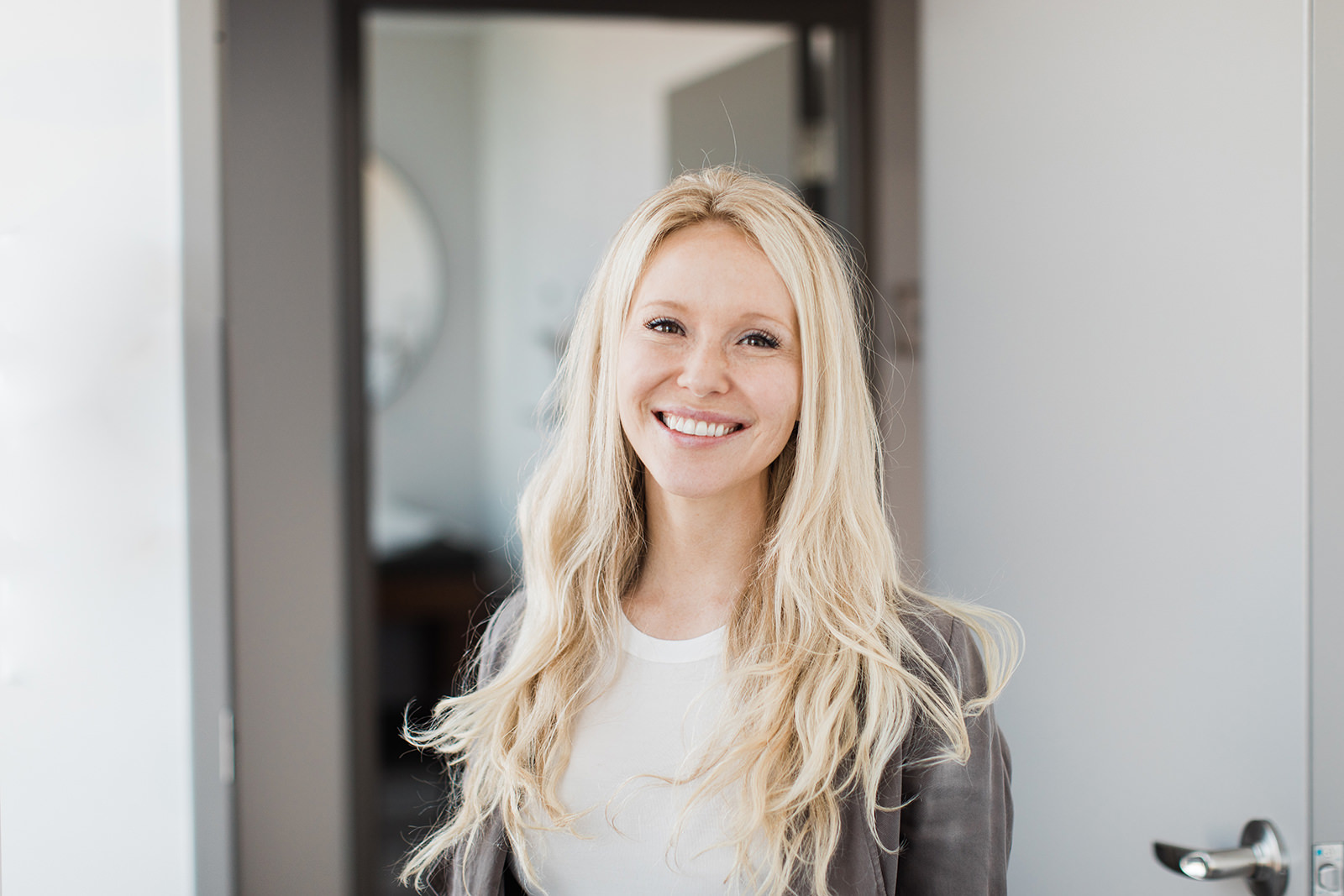
Dr. Augustine: A Female Plastic Surgeon and Mother’s Perspective on Post-Pregnancy Body Changes, Resilience, and Restoring Confidence
As a board-certified female plastic surgeon and a mother, I’ve lived the dual realities that many of my patients face. I know what it means to balance the demands of rigorous medical training with the joys and exhaustion of motherhood. I’ve felt the profound physical and emotional shifts that pregnancy, childbirth, and breastfeeding bring to a woman’s body. This personal journey has shaped not only how I practice but why I’m so passionate about helping women reclaim their confidence after having children. In this blog, I’ll share what it truly means to be a female plastic surgeon in today’s world, the challenges of studying while raising a family, the resilience it demands, and how my lived experience makes me uniquely equipped to understand— and treat—the postpartum body changes my patients experience.
What It Means to Be a Female Plastic Surgeon
Being a female plastic surgeon is about more than technical skill or artistic precision. It means bringing empathy rooted in shared womanhood into every consultation and operating room. We understand the societal pressures around body image, the biological realities of pregnancy and aging, and the emotional weight of wanting to feel like “yourself” again after motherhood. In a field historically dominated by men, female plastic surgeons often serve as role models— showing that excellence in medicine and family life can coexist. We approach cosmetic surgery not as a vanity project but as a tool for empowerment, especially for women navigating the transformative (and sometimes unforgiving) changes of pregnancy.
The Challenges of Studying Medicine While Being a Mother—and the Resilience It Builds
Medical school, residency, and fellowship training in plastic surgery span over a decade of intense study, long hours, on-call shifts, and high-stakes decision-making. For mothers, these demands collide with pregnancy, breastfeeding, childcare, and the invisible labor of family life. Sleep deprivation becomes the norm. Guilt over missing milestones or relying on support networks creeps in. Hormonal shifts during pregnancy or postpartum can exacerbate fatigue, while societal expectations often demand we “do it all” without complaint.
Many female surgeons delay starting a family until after training due to infertility risks, miscarriage concerns, and rigid program structures common in surgical fields. Yet those who navigate it develop extraordinary resilience: the ability to prioritize under pressure, adapt to unpredictability, and emerge stronger. This resilience isn’t abstract—it translates directly to patient care. I’ve learned to problem-solve creatively, advocate fiercely, and approach setbacks with grace. These qualities make me a more compassionate surgeon, one who truly sees the full picture of a woman’s life beyond the exam table.
How My Understanding of Women’s Struggles Fuels Compassion and Empathy
Motherhood opened my eyes to the raw vulnerabilities many women face but rarely voice. The body changes after pregnancy aren’t just cosmetic—they affect posture, core strength, intimacy, self-esteem, and even how we move through daily life with young children. I’ve experienced the hormonal rollercoaster, the skin stretching beyond its limits, and the quiet grief some feel when their pre-baby body feels out of reach despite healthy habits.
This empathy runs deep. When patients describe feeling “foreign” in their own skin, I don’t offer platitudes—I relate. I understand the mental load of motherhood: the constant giving, the pressure to bounce back, and the societal narrative that equates a woman’s worth with her pre-pregnancy figure. This shared understanding creates a safe space. Patients feel heard, not judged. My compassion isn’t performative; it’s personal. It drives me to tailor every treatment plan to a woman’s unique story —her pregnancies, her goals, her timeline for future children—ensuring realistic expectations and holistic results.
Why This Makes Me a Better Cosmetic Surgeon for Women Post-Pregnancy
Patients who’ve seen their bodies change after pregnancy often seek more than physical correction. They want validation, realistic hope, and a surgeon who “gets it.” My dual role as mother and female plastic surgeon allows me to anticipate concerns others might miss: the timing of surgery around breastfeeding and childcare, the emotional impact of scars or recovery downtime, and the importance of procedures that restore function as much as form (like repairing diastasis recti to ease back pain).
This insight leads to better outcomes. I emphasize comprehensive consultations that address both body and mind. I guide patients on when to wait (e.g., until done having children) and celebrate non-surgical options first when appropriate. The result? Women leave feeling empowered, not just “fixed.” Studies and clinical experience show that addressing postpartum changes holistically improves quality of life, confidence, and even mental health. My background equips me to deliver that level of care.
The Physiology of Post-Pregnancy Body Changes: Hormonal Shifts, Breastfeeding, and Breast Transformation
Pregnancy triggers dramatic hormonal changes that prepare the body for motherhood but leave lasting effects. Estrogen drives ductal proliferation in the breasts, while progesterone promotes alveolar (milk-producing) gland development. Prolactin rises to enable lactation. Breasts enlarge significantly—often with tenderness, itching, darker areolas, and prominent Montgomery glands. Colostrum production can begin as early as 16 weeks.
During breastfeeding, engorgement and milk production continue these changes. After weaning, post-lactational involution occurs: glandular tissue atrophies and is partially replaced by fat. The degree varies by genetics, number of pregnancies, and breastfeeding duration, but the result is often loss of volume, skin laxity, and ptosis (sagging). Pregnancy itself—not breastfeeding alone—is the primary driver of these shifts. Hormonal drops postpartum can also contribute to skin elasticity changes and fat redistribution.
Abdominal Changes: Skin Stretch, Diastasis Recti, and Hormonal Influences
The abdomen undergoes even more visible transformation. As the uterus expands, it mechanically stretches the rectus abdominis muscles (the “six-pack” muscles) and the linea alba (the connective tissue between them). Hormones like relaxin and progesterone soften ligaments and connective tissue to facilitate childbirth, making separation more likely. This condition, diastasis recti, affects up to 60% of women postpartum. It creates a persistent bulge, weakens core stability, and can contribute to back pain, posture issues, or pelvic floor dysfunction.
Simultaneously, rapid skin stretching leads to striae gravidarum (stretch marks) and excess, lax skin that doesn’t fully retract. C-section scars or multiple pregnancies can compound these changes. The combination of hormonal laxity, mechanical stress, and genetics determines severity—some women experience minimal issues, while others face significant functional and aesthetic concerns even with diet and exercise.
Practical Advice for Women Who’ve Had Babies: Non-Surgical Ways to Care for Your Post-Baby Body
Surgery isn’t the first or only step. I always recommend starting with foundational self-care, ideally waiting 6–12 months postpartum (and after breastfeeding ends) for full healing.
- Core and Pelvic Floor Health: Work with a pelvic floor physical therapist. Gentle exercises (modified planks, heel slides, or diaphragmatic breathing) can help close diastasis recti gaps without worsening them. Avoid traditional crunches until cleared.
- Nutrition and Hydration: Prioritize protein, healthy fats, collagen-rich foods (bone broth, citrus), and ample water to support skin elasticity and muscle repair. Gradual weight loss prevents further skin laxity.
- Exercise Smartly: Combine low-impact cardio (walking, swimming) with strength training. Focus on posture and overall tone rather than spot reduction.
- Skin Care: Moisturize daily, use sunscreen, and consider evidence-based topicals or professional treatments like microneedling, laser resurfacing, or radiofrequency for stretch marks and mild laxity. Non-invasive options like CoolSculpting (for fat pockets) or Emsculpt (for muscle toning) offer noticeable improvements with no downtime.
- Lifestyle Nuances: Sleep when possible, manage stress, and embrace body neutrality—progress, not perfection. Edge cases like multiples or C-sections may require tailored physical therapy.
These steps restore function and confidence for many women without surgery.
Surgical Solutions: Procedures to Help You Feel Confident and Get Your Body Back
For women seeking more dramatic restoration, a customized “Mommy Makeover” combines procedures addressing the breasts and abdomen (often with liposuction for contouring). Ideal candidates are done having children, at a stable weight, and in good health.
- Breast Procedures: A breast lift (mastopexy) repositions sagging tissue and nipples for a youthful shape. Augmentation (implants or fat transfer) restores lost volume. Some combine both for optimal results.
- Tummy Tuck (Abdominoplasty): This repairs diastasis recti, removes excess skin and stretch marks (especially below the navel), tightens muscles, and contours the waist. Mini or extended versions suit varying needs; liposuction often complements it.
- Additional Options: Liposuction for stubborn fat, labiaplasty for intimate changes, or non-surgical add- ons
Recovery typically spans 4–6 weeks, with restrictions on lifting (crucial for moms). Scars fade over time, and results are long-lasting with stable weight. I discuss risks, benefits, and realistic timelines openly—surgery enhances, but self-love sustains.
Final Thoughts: You Deserve to Feel Like You Again
Motherhood changes us profoundly—in body, heart, and spirit. As a female plastic surgeon who’s walked this path, I’m honored to guide women through reclaiming their confidence. Whether through lifestyle adjustments, non- surgical treatments, or a Mommy Makeover, the goal is the same: feeling strong, vibrant, and at home in your skin.
If you’re navigating post-pregnancy changes and considering your options, I invite you to schedule a consultation. Together, we’ll create a plan that honors your journey. You’re not alone—and you absolutely deserve this.
FAQs
What causes breasts to sag after pregnancy and breastfeeding?
Primarily pregnancy hormones and tissue expansion, followed by involution after weaning.
Can diastasis recti resolve without surgery?
Mild cases often improve with targeted physical therapy; severe separations may need abdominoplasty.
When is the best time for a Mommy Makeover?
After completing your family and breastfeeding, typically 6–12 months postpartum.
Are there non-surgical alternatives to tummy tucks or breast lifts?
Yes—lasers, radiofrequency, muscle-stimulating devices, and core therapy can help milder cases.
This post is for educational purposes. Individual results vary; always consult a qualified plastic surgeon for personalized advice.
Discover Expert Mommy Makeover in Toronto with Compassionate Female Plastic Surgeon Dr. Augustine
If you’re a mother in Toronto or the GTA searching for a Mommy Makeover with a surgeon that truly understands your journey, Dr. Augustine offers personalized surgical transformation with deep empathy and exceptional skill. As a board-certified female plastic surgeon and fellow mother, Dr. Augustine specializes in helping women restore their pre-pregnancy confidence through customized combinations of tummy tuck (abdominoplasty), breast lift with or without augmentation, liposuction, and diastasis recti repair. Located conveniently for patients across the Greater Toronto Area, her practice in the heart of Toronto provides a warm, supportive environment in Forest Hill where moms feel heard and cared for. Whether you’re dealing with stretched abdominal skin, sagging breasts after breastfeeding, stubborn fat pockets, or weakened core muscles, Dr. Augustine’s unique perspective as both a woman and a mother allows her to deliver natural- looking, long-lasting results that enhance both form and function.